Executive Summary
For Nigeria, the quest for energy accessibility and affordability has long been a top priority. The challenges of energy poverty have hindered progress, leaving a significant portion of the population without reliable access to electricity. However, Nigeria is now embarking on a transformative journey towards energy mix solutions that hold the promise of a brighter future through a balanced and integrated energy system.
What is Energy Poverty?
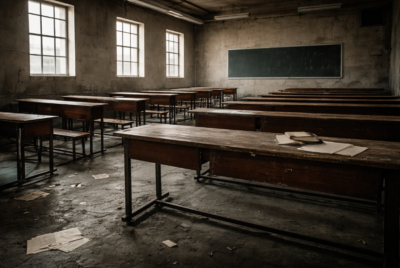
Energy poverty is a pressing issue that affects millions of people worldwide, including Nigeria. It is characterized by a lack of access to affordable, reliable, and modern energy services. Energy poverty creates significant barriers to socio-economic development, limiting opportunities for education, healthcare, and economic growth.
In Nigeria, a large portion of the population still relies on traditional and inefficient energy sources such as solid fuels, resulting in adverse health effects, environmental degradation, and limited productive activities. Addressing energy poverty is crucial to achieving sustainable development and improving the quality of life for all Nigerians.
The Strategic Power of the Energy Mix
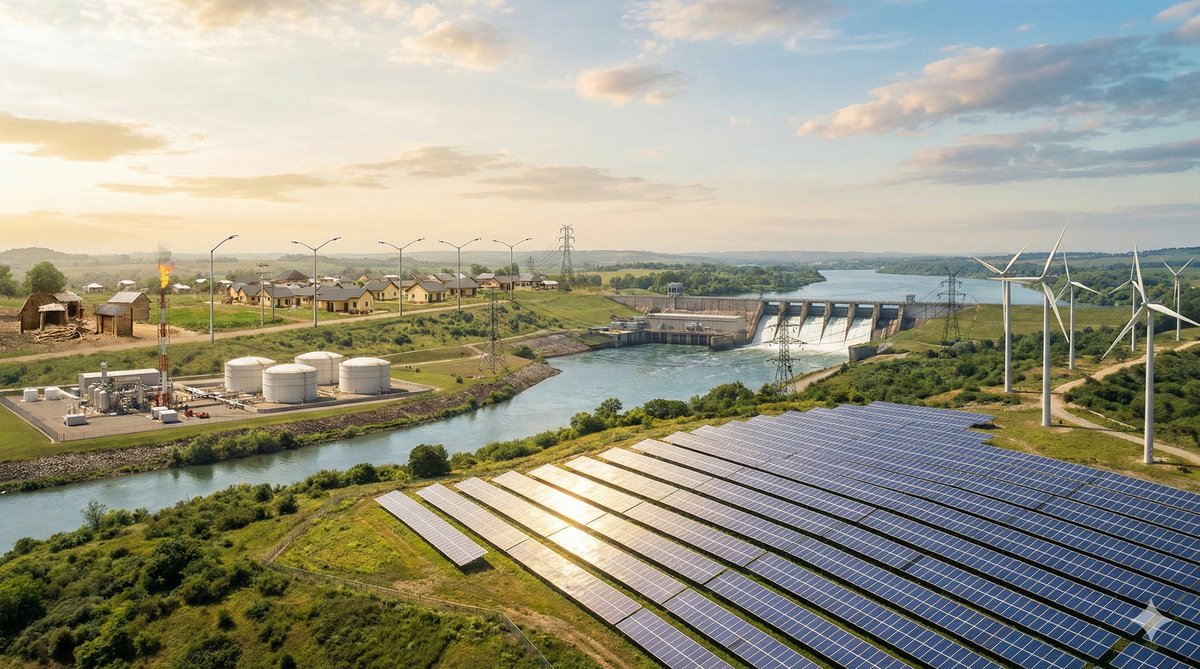
An energy mix refers to the utilization of multiple energy sources, such as fossil fuels, renewables, and alternative fuels, to meet the energy demands of a country. By diversifying its energy sources, Nigeria can reduce its reliance on a single energy type and enhance energy security, affordability, and sustainability. This strategic approach allows for a balanced and integrated energy system that combines the strengths of various sources to meet the diverse needs of the population.
The Potential of Renewables
Nigeria is blessed with abundant renewable energy resources, including solar, wind, hydro, and biomass. Leveraging these resources presents a significant opportunity to expand electricity access and drive socio-economic development.
Solar power, in particular, has immense potential given Nigeria’s favorable climate conditions. By scaling up solar energy installations and promoting decentralized systems, Nigeria can bring electricity to rural and remote areas that are currently underserved. Additionally, wind, hydro, and biomass can contribute to the energy mix, providing clean and sustainable power sources.
Natural Gas as a Transition Fuel
Nigeria is also rich in natural gas reserves, which can play a crucial role in the energy mix. Natural gas offers cleaner-burning properties compared to traditional fossil fuels and can serve as a transition fuel towards a low-carbon future. Expanding natural gas infrastructure and encouraging its use in power generation and industrial applications will not only improve energy accessibility but also contribute to reduced carbon emissions.
Conclusion
Nigeria’s vast natural gas reserves position it favorably to tap into this valuable resource for domestic consumption and export. Achieving energy accessibility and realizing the potential of an energy mix requires collaboration between the government, private sector entities, and international partners. By working together, Nigeria can leverage international expertise, funding opportunities, and technological advancements to propel its energy transition journey and build a more prosperous future.