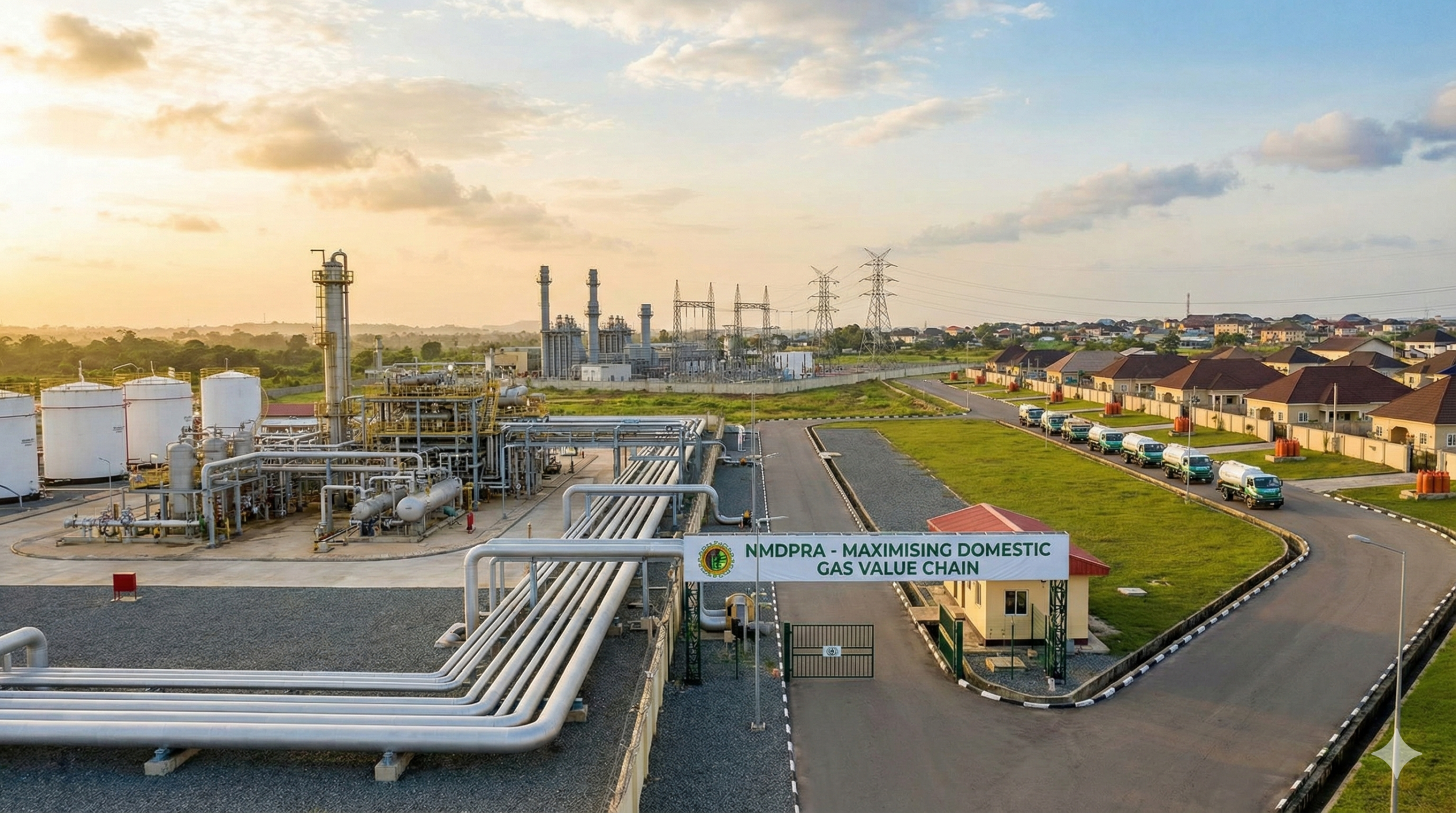
NMDPRA: Maximising the Domestic Gas Value Chain
THE DECADE OF GAS INITIATIVE
In March 2021, President Muhammadu Buhari launched the “Decade of Gas” programme, an initiative to transition Nigeria to the status of a major exporter of gas. The Federal Government’s policy aims to exploit its vast gas reserves to ensure that Nigeria is not just a consuming nation but a major player on the international scene.
The initiative, coming on the heels of the National Gas Expansion Programme (NGEP), seeks to expand domestic use of LPG, autogas, and energy penetration. This is one of the key strategies the administration hopes to apply in ensuring the optimal maximization of Nigerian oil and gas resources.
At the World Gas Conference held in South Korea, discussions were held between Nigerian government officials and foreign firms about the possibility of signing an agreement to construct an LPG vessel to boost the supply of LPG in the country.
STAKEHOLDER ENGAGEMENT AND REGULATION
The Nigerian Midstream and Downstream Petroleum Regulatory Authority (NMDPRA), as the regulatory agency of the midstream and downstream sectors of the Nigerian petroleum industry, is fine-tuning strategies to actualize the Decade of Gas policy. One of these strategies is the formulation of policies that bring into alignment the key objectives of the Nigerian government with the existing capacities within the sector.
Engr. Farouk A. Ahmed, Authority Chief Executive (ACE) of NMDPRA, stated that the Authority, as stipulated by the Petroleum Industry Act (PIA), has unfolded ten draft regulations. These regulations, drafted in consultation with industry stakeholders, were reviewed at a four-day workshop. Engr. Ahmed emphasized that the priority of the NMDPRA will be to ensure these regulations are primary enablers of the government’s initiative, helping to catalyze investment and enhance the attractiveness of the domestic gas value chain.
Chairman of the Governing Board of NMDPRA, Mr. Idaere Ogan, added that the Authority is willing to actively involve stakeholders before finalized regulations are released.
INDUSTRY ASPIRATIONS AND CHALLENGES
The Minister of State for Petroleum Resources, Chief Timipre Sylva, decried the historical challenges of the petroleum industry. He noted that while the current local energy landscape is dire and in need of ingenious solutions, these sets of regulatory instruments provide an opportunity to ameliorate the situation.
The Minister further stated that as the first stakeholders’ consultation by NMDPRA, these regulatory instruments will meet present and future aspirations of the government for more investments in the sector. Speaking for the Senate Committee on Downstream, Senator Philip Aduda added that these secondary regulations will complement the PIA in unlocking the potential of the sector. Following the consultation, three syndicate groups reviewed the draft regulations and provided feedback to ensure industry-wide alignment.