The Current State of Fuel Transportation
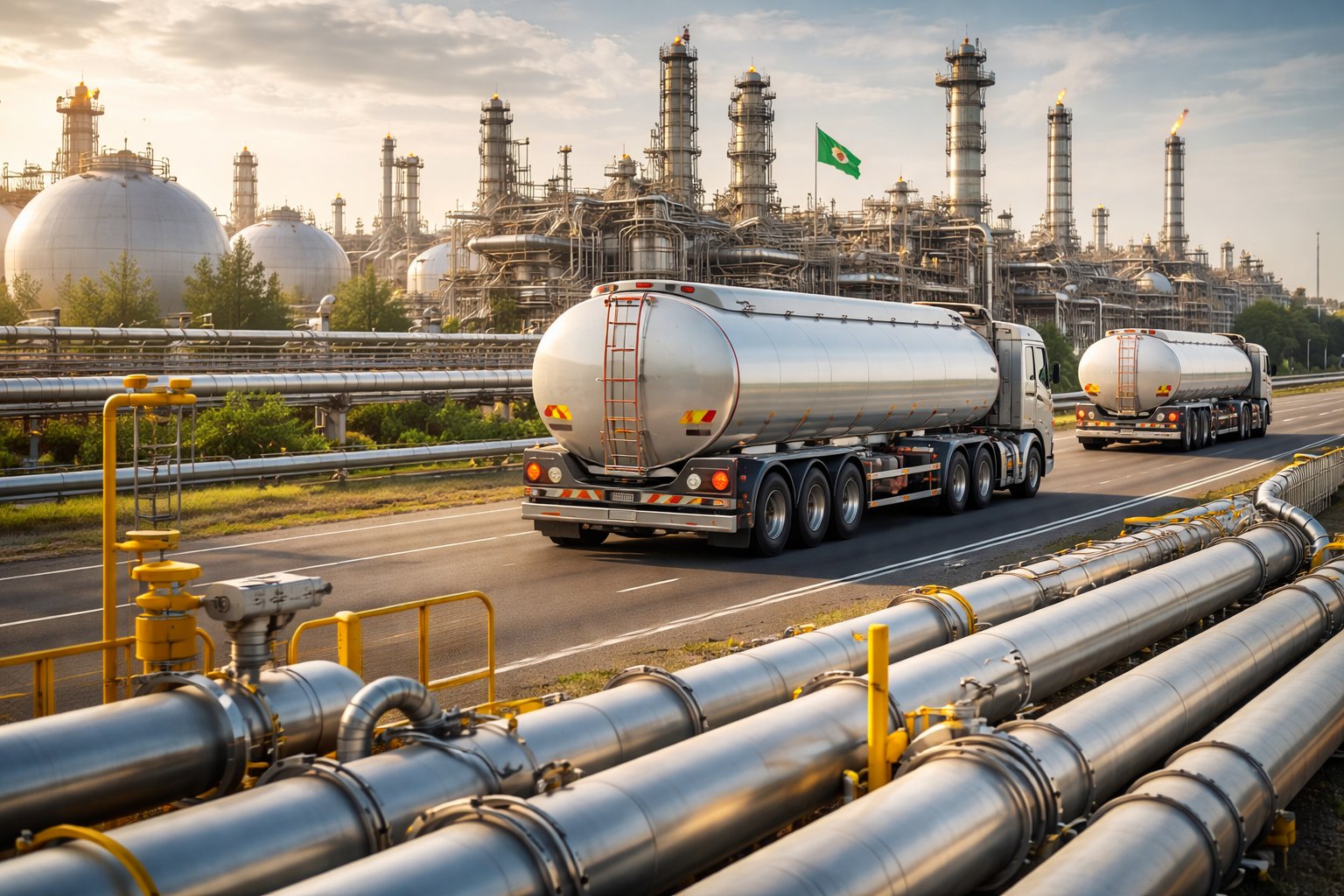
Nigeria’s fuel distribution network relies heavily on pipelines and tankers moving products from depots to fuel stations nationwide. While this has been the standard method for years, the sustainability of these channels remains questionable. The average Nigerian perceives fuel tankers as a menace, largely due to their contribution to traffic congestion on already overburdened road networks.
Road haulage poses high risks to both people and the environment. Topmost on the “problem pyramid” is the erratic behavior of tanker drivers who often compete with other motorists while ignoring the immense weight of their haulage. Coupled with poor road conditions, this bad driving technique frequently results in explosions that claim lives and property. In milder cases, fuel spills create dangerous opportunities for unscrupulous individuals to “scoop” products, leading to further disasters.
The Pipeline Vandalism Crisis
Pipeline vandalism—the deliberate damaging of infrastructure to steal petroleum products illegally—continues to be an unending menace for the government and oil marketers. The Nigerian National Petroleum Corporation (NNPC) has reported that the country loses approximately 200,000 barrels per day due to these nefarious activities.
Beyond the economic loss, vandalized pipelines pose severe environmental hazards to surrounding communities. Oil spillages destroy arable land intended for agriculture and cause widespread ecosystem damage. Efforts to eradicate this menace have been consistently thwarted by the unpatriotic acts of certain citizens and their collaborators. This has put untold pressure back onto the roads as the primary channel that is easier to monitor and regulate.
Navigating Toward a Sustainable System
Creating a safe and sustainable transport system is not an impossible task, but it requires stakeholders to fully embrace their responsibilities. Security agencies charged with securing the oil chain must be seen to be alive to their duties, rescuing the nation’s resources from those bent on economic strangulation.
Technology must also be treated as a reliable ally. The government and involved agencies should not compromise on acquiring the latest technological gadgets and surveillance equipment to tackle illegal activities along the oil value chain. Real-time monitoring and advanced detection systems can significantly reduce the window of opportunity for vandals.
Infrastructure and Policy Recommendations
To reduce road incidents and congestion, several structural shifts are recommended:
- Dedicated Supply Routes: The government should establish supply routes restricted solely to tanker drivers, away from pedestrian and civilian motorist traffic. These routes must be well-maintained to ensure smooth delivery operations.
- Rail Expansion: The ongoing rail construction across various states should be expanded to connect all major cities and towns. Moving petroleum products by rail would drastically reduce road accidents, spillages, and avoidable deaths.
- Stakeholder Synergy: Consistent steps and contributions from stakeholders in the oil sector are required to maintain a safe pathway for Nigerian energy transport.
While there is still a long way to go, consistency in infrastructure development and security can transform the petroleum transport landscape into one that is safe, sustainable, and beneficial for all Nigerians.